Beyond the Toolkit:
Community-Engagement in COVID-19
Participation · Pedagogy · Online and Remote Facilitation · Social Justice COVID-19
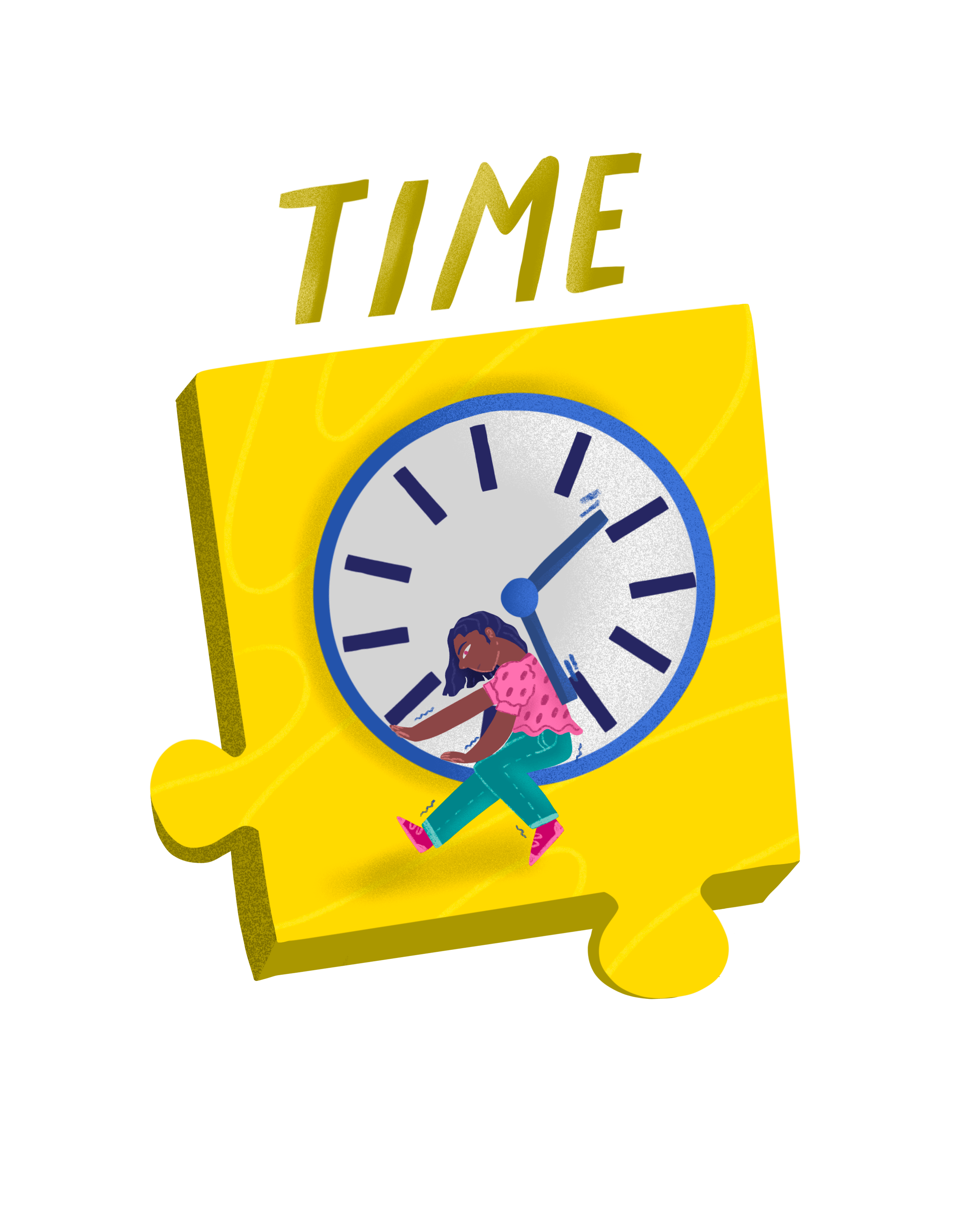
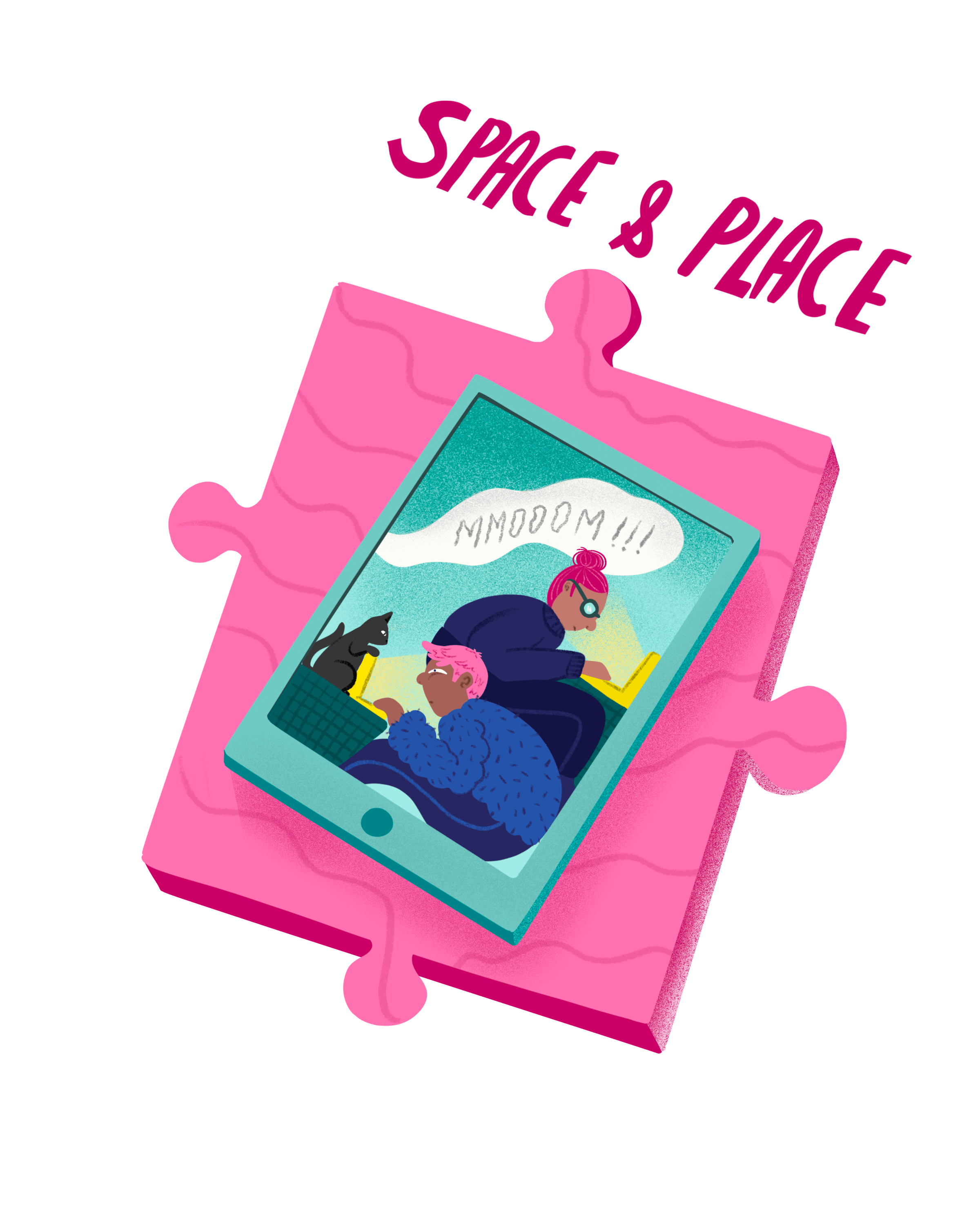
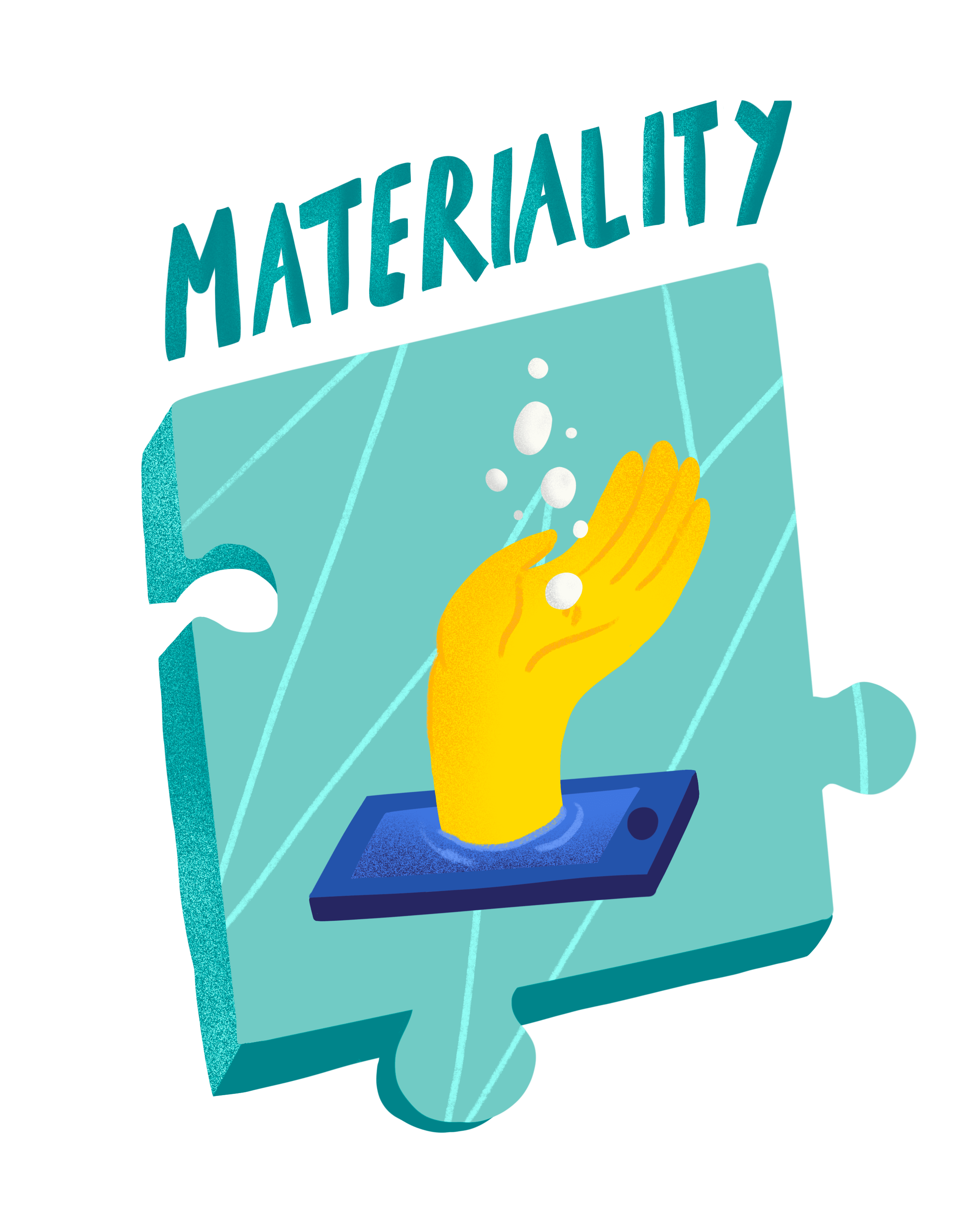
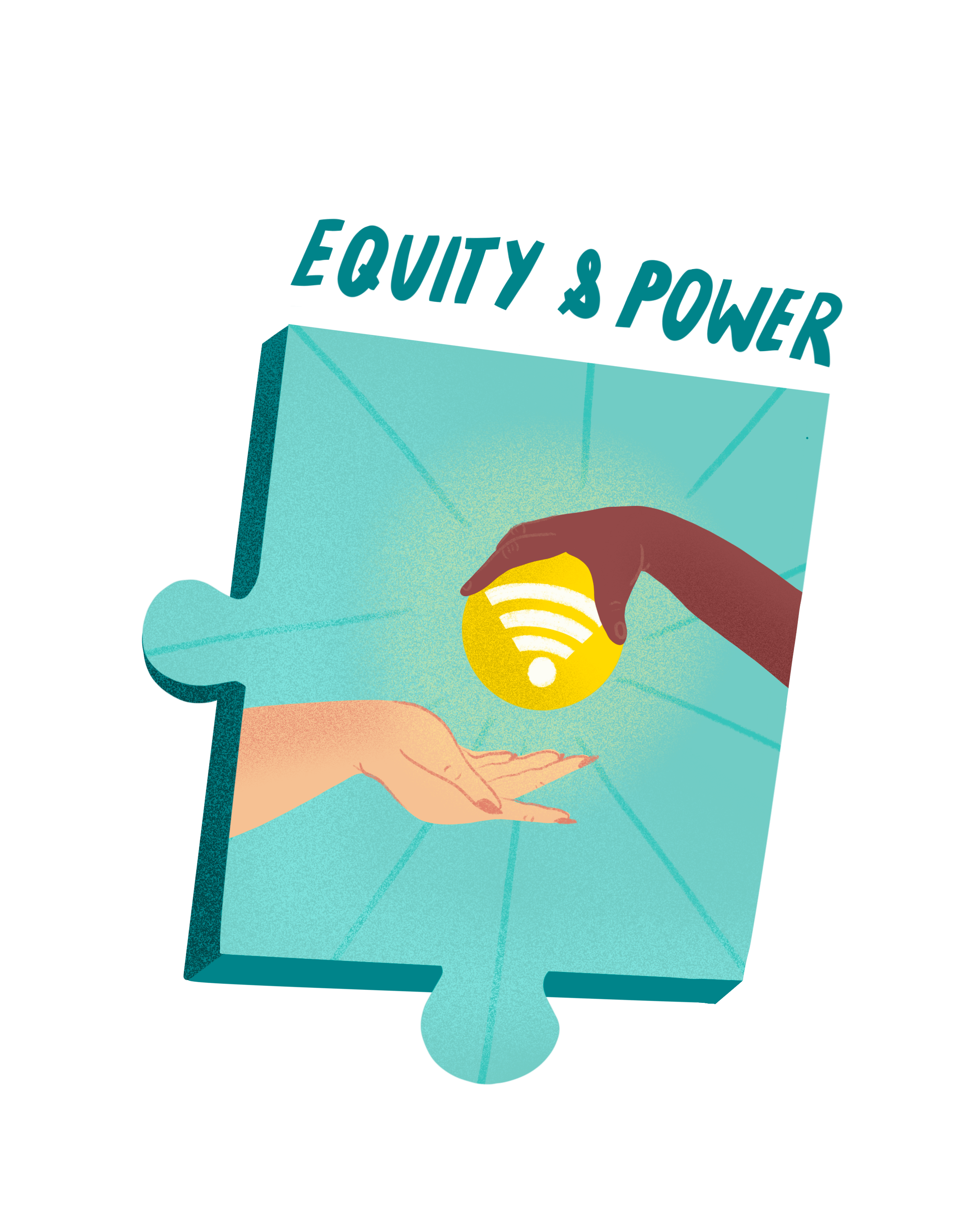
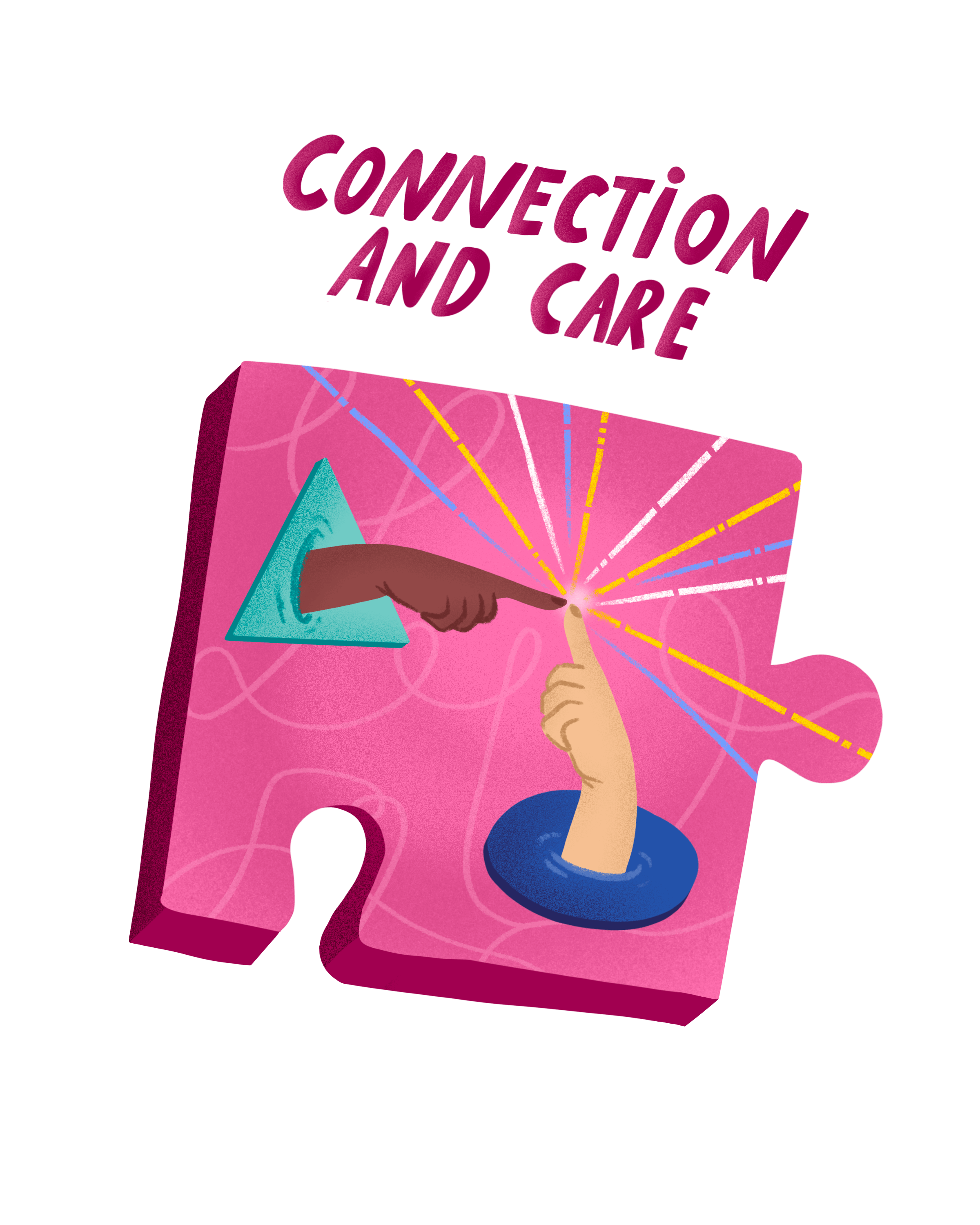
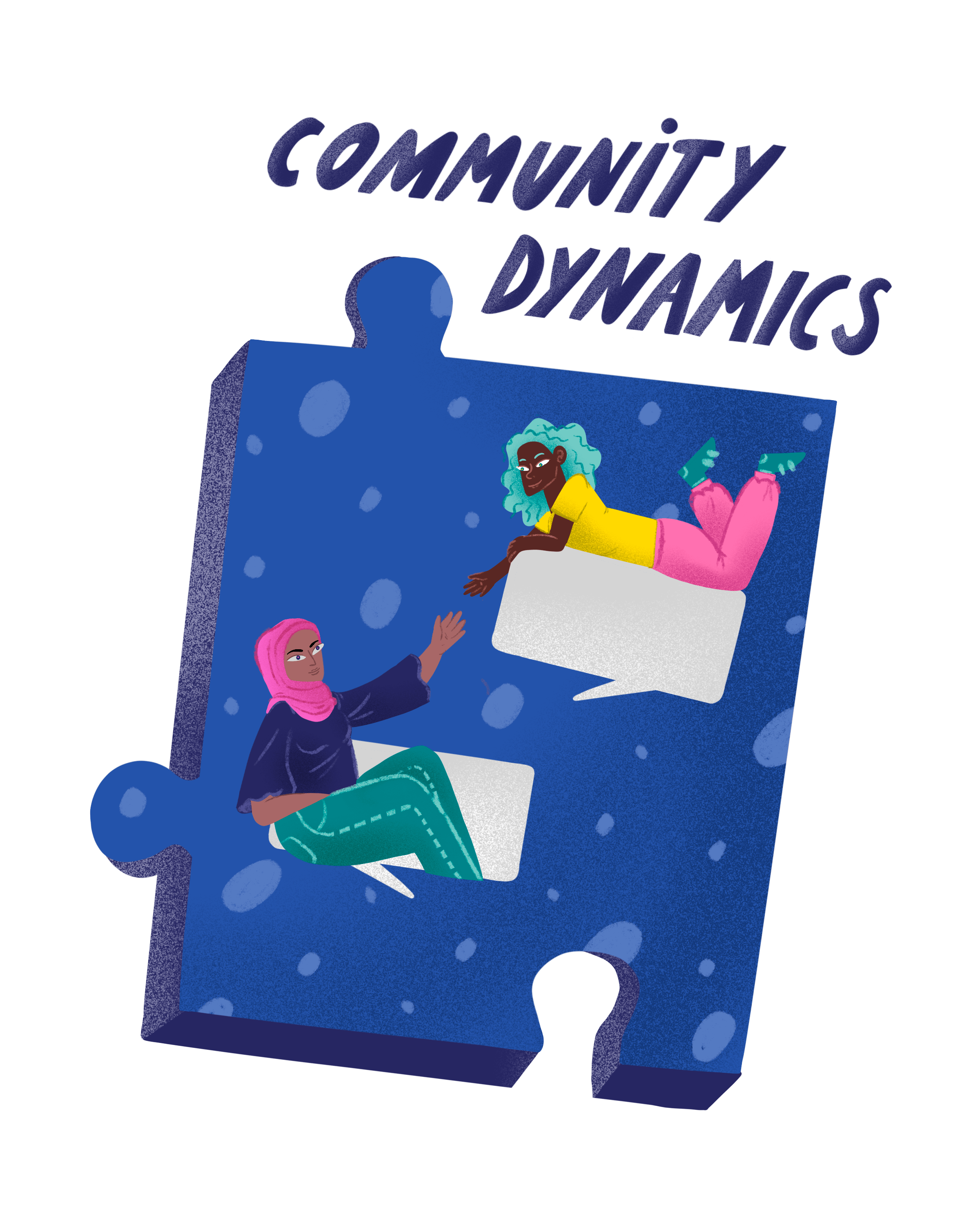
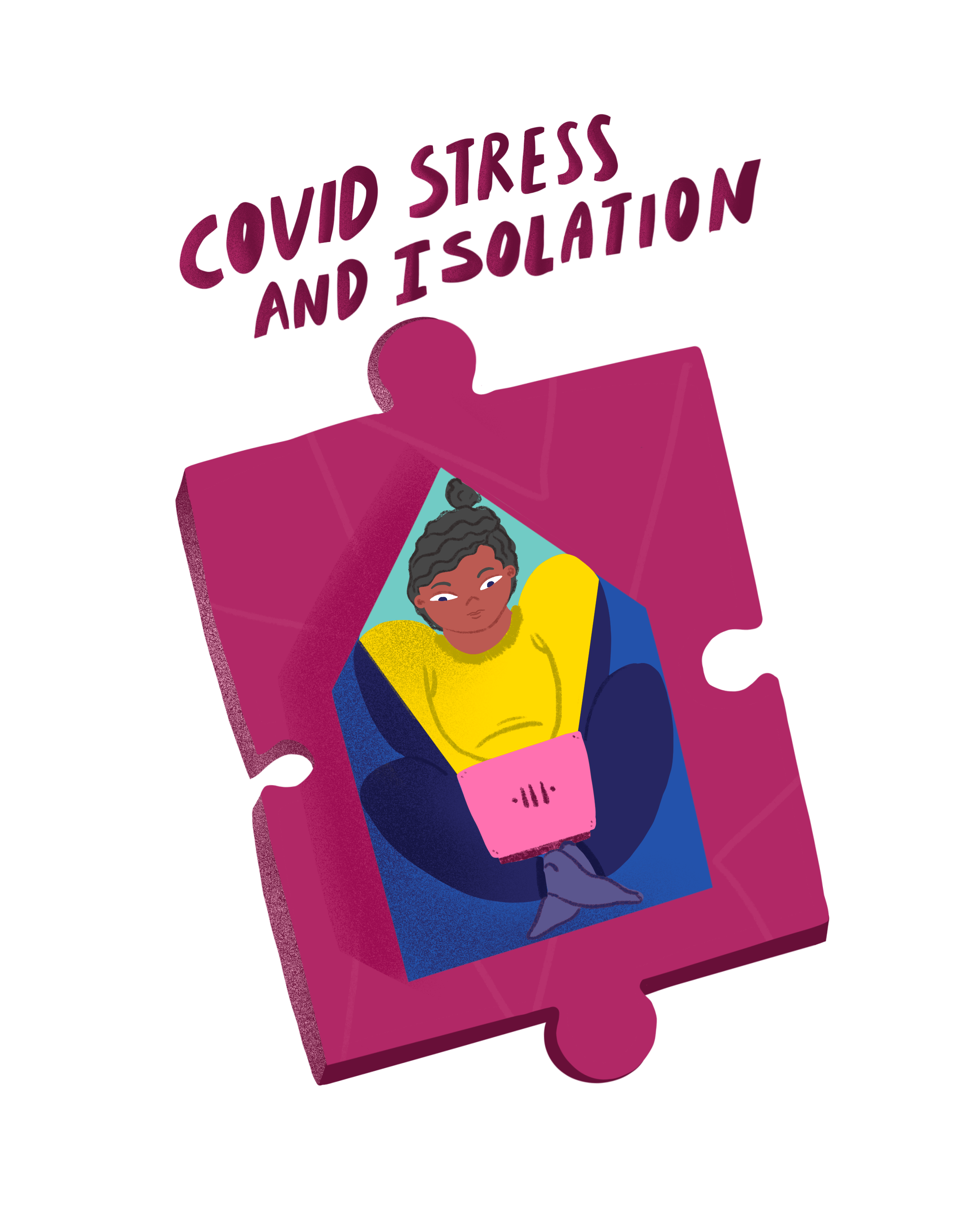
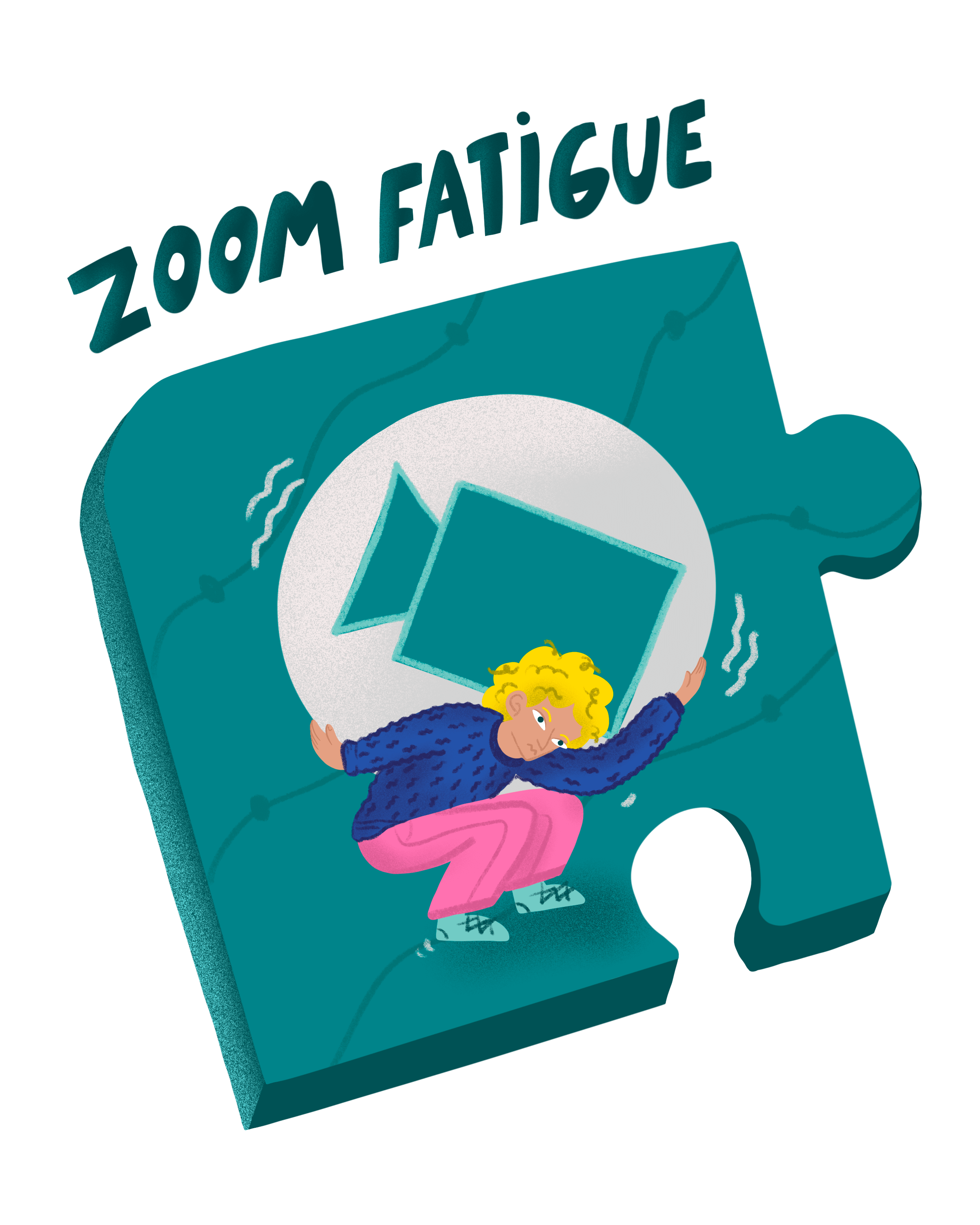
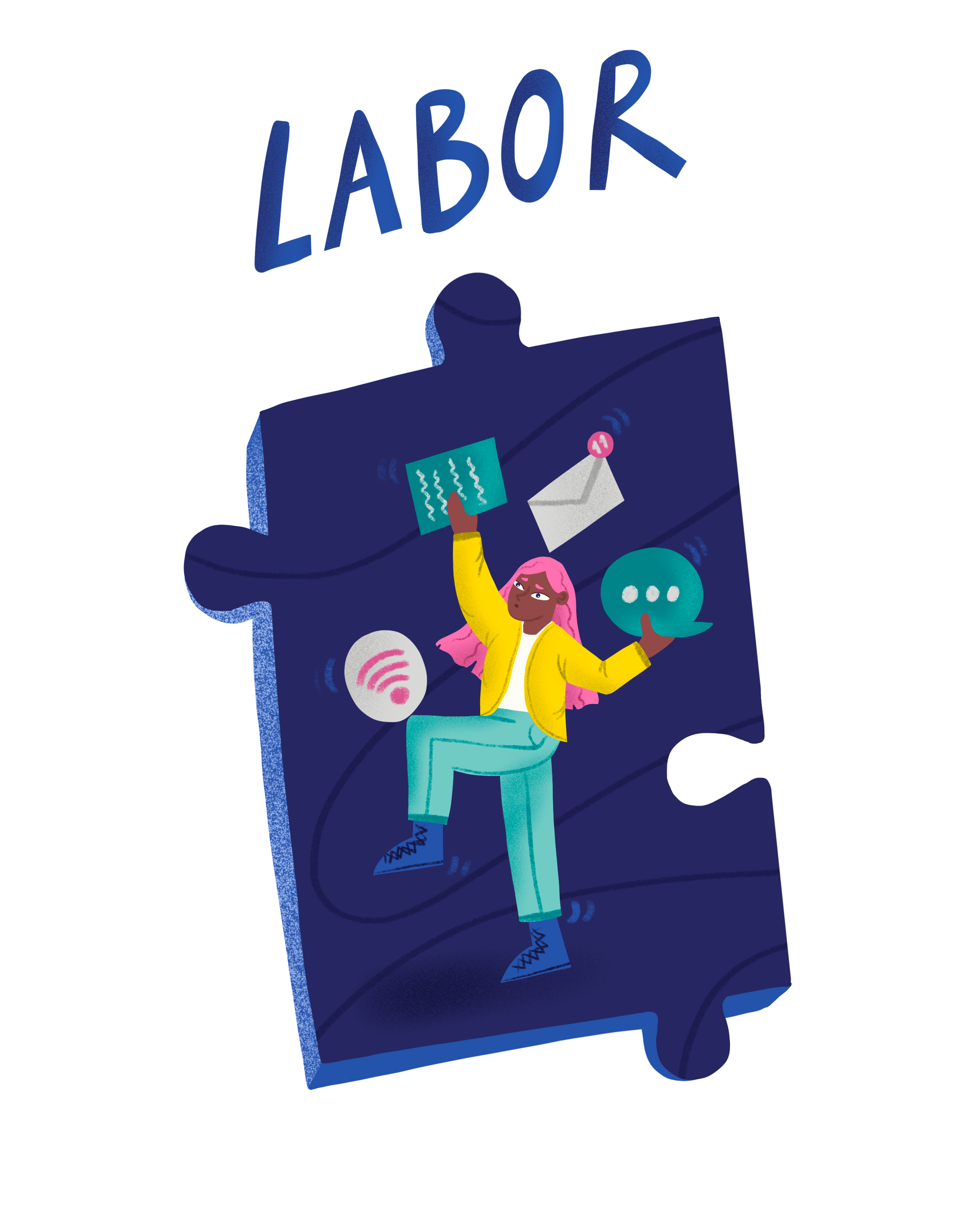
Our goal is to support community-engaged practitioners in reflecting on, and adapting their facilitation practice to online and/or remote settings.
Beyond the Toolkit was a participatory research study launched during lock-downs resulting from COVID-19 in spring 2020.
A team of community-based and academic community-engaged practitioners interested in creating a dialogue about online facilitation, participatory design, and social justice came together to troubleshoot, connect, and learn more about how how community-engaged practitioners were adapting their participatory work to online and remote settings, and the unique ethical and pedagogical issues challenges that emerged, as a result of COVID-19. Little did our team know that the conditions imposed by the pandemic would alter the landscape of how facilitators worked with and alongside communities for years to come.
An Invitation to Reflect
We invite you to draw on findings, illustrations, and resources to help guide your online and remote facilitation practice. Both illustrations and text were informed by conversations with community-engaged practitioners who have adapted their participatory work to online and remote settings as a result of COVID-19. Images can be used under a creative commons license with proper credit (see illustrations for more information and download links).
Findings

ETHICAL COMMITMENTS
Facilitation is not a neutral practice. What are the ethical commitments or values that guide your work?

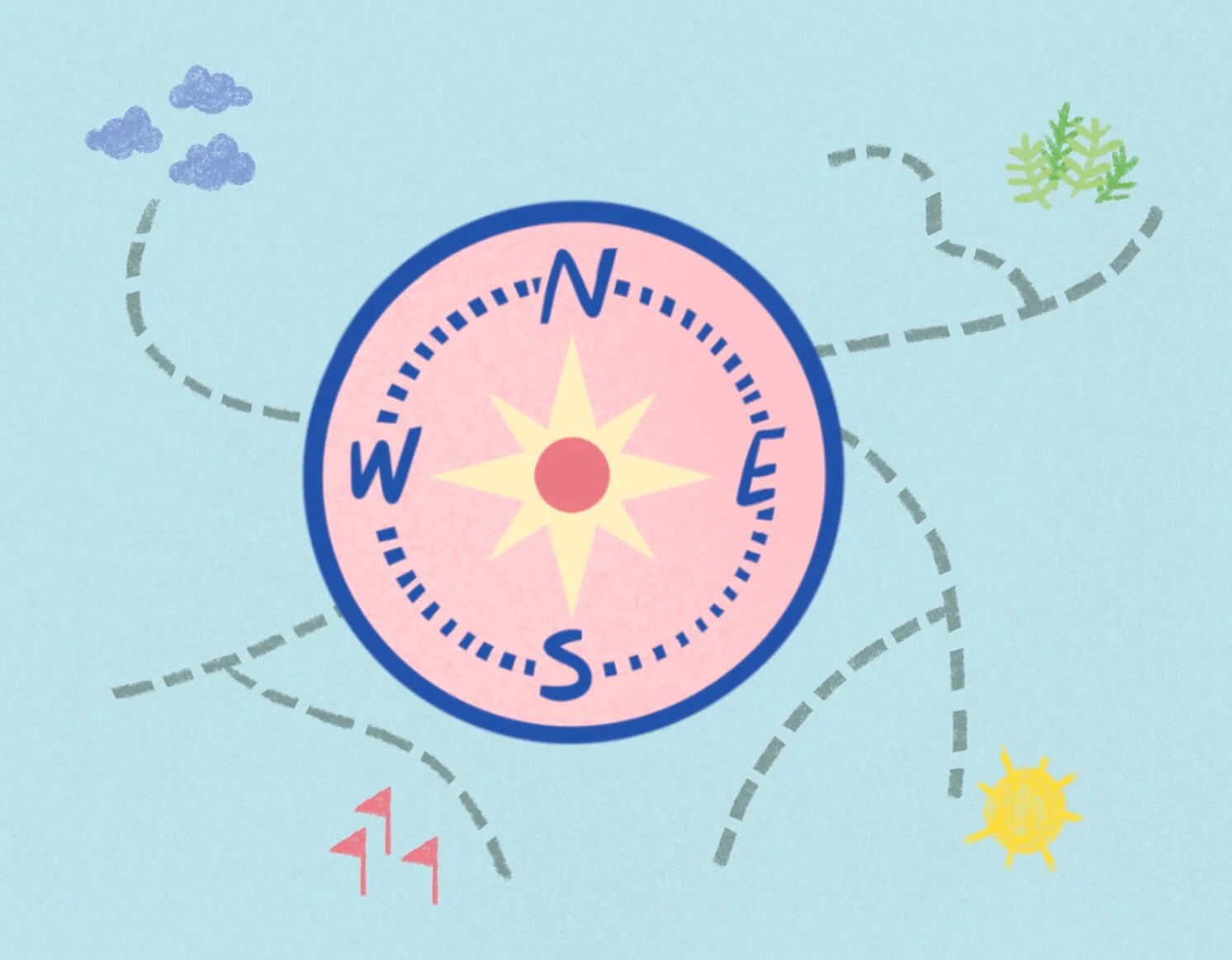
PEDAGOGICAL CONSIDERATIONS, PRACTICES AND STRATEGIES
What do community-engaged practitioners need to consider when facilitating participatory, community-engaged group processes online or remotely? How do you put your ethical commitments into practice? What are some helpful strategies for working with communities when gathering online or remotely?
ETHICAL CONSIDERATIONS
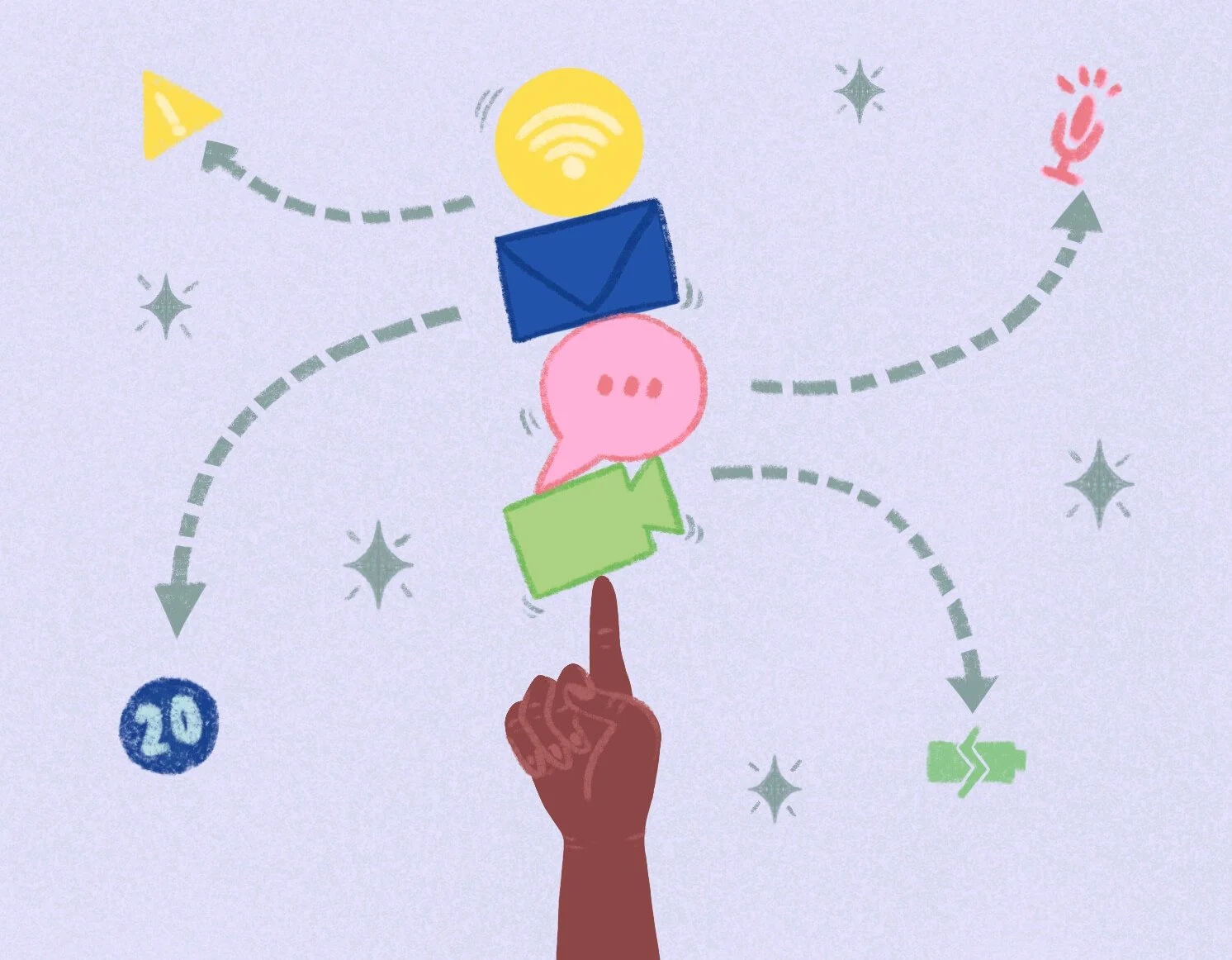
What are the potential risks of moving participatory, community-engaged work to online or remote settings? How do we journey forward with care?
RECOMMENDATIONS
What supports do practitioners need to continue this work?